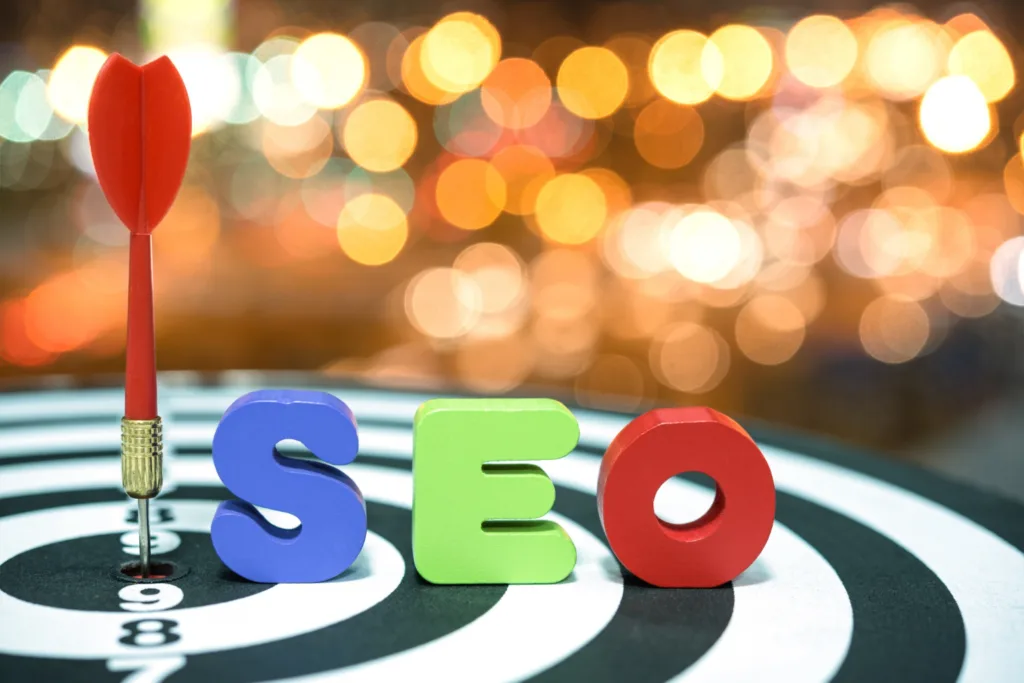
Search Engine Optimization, or SEO, has become a cornerstone of modern digital marketing. But not all SEO is the same. For small and local businesses, a one-size-fits-all approach doesn’t work. That’s where targeted SEO strategies come in — personalized, data-driven methods designed to help your business reach the right audience at the right time.
What Are Targeted SEO Strategies?
Targeted SEO strategies focus on optimizing a website to attract a specific audience rather than trying to appeal to everyone online. It’s about identifying who your ideal customers are, what they search for, and how they behave online — then tailoring your website’s content and structure to meet their needs.
Unlike general SEO, targeted SEO goes beyond improving rankings. It creates meaningful connections between your business and potential customers by offering relevant solutions, high-quality information, and a seamless user experience.
For example, a dental clinic in Taunton, MA, shouldn’t try to rank for “best dentist in the USA.” Instead, its SEO strategy should target local and service-specific searches like “family dentist in Taunton” or “teeth whitening near me.” This kind of targeting not only improves visibility but also ensures that visitors are more likely to become real customers.
Why Targeted SEO Matters More Than Ever
In today’s competitive digital landscape, search engines have become smarter. Algorithms now prioritize content that is relevant, localized, and valuable to users. This means businesses that use vague or overly broad SEO tactics risk being buried in search results.
Targeted SEO strategies give you a competitive advantage by:
- Reaching people who are actively searching for what you offer.
- Increasing conversion rates through qualified traffic.
- Strengthening your reputation as an expert in your niche.
- Saving time and resources by focusing on what truly works.
Local businesses, in particular, benefit the most from targeted SEO because it allows them to stand out in their specific markets and connect directly with nearby customers who are ready to buy.
How to Identify Your Target Audience
Before you can optimize your website, you need to understand who your target audience is. This involves analyzing your existing customer base and researching your market.
Start by asking:
- Who are my current customers?
- What are their demographics (age, gender, location, income level)?
- What problems do they need solved?
- How do they search for solutions online?
Tools like Google Analytics, Google Search Console, and social media insights can help you gather valuable information about user behavior. You can also use surveys or customer interviews to gain deeper insights into your audience’s preferences and motivations.
Once you have a clear picture of your ideal customer, you can start crafting SEO strategies that directly speak to them — from keyword selection to content tone and design.
The Role of Keywords in Targeted SEO
Keywords are the foundation of any SEO strategy. But targeted SEO focuses on intent-based keywords rather than generic ones.
For instance, if you run a bakery, instead of optimizing for “bread” (which is too broad), you might target “fresh sourdough bread in Taunton” or “custom birthday cakes near me.” These keywords not only attract fewer visitors but attract the right ones — people who are likely to make a purchase.
There are three main types of keywords to consider:
- Short-tail keywords – Broad and highly competitive (e.g., “SEO services”).
- Long-tail keywords – Specific and conversion-focused (e.g., “affordable SEO services in Taunton”).
- Local keywords – Location-based searches (e.g., “IT support in Taunton, MA”).
Combining long-tail and local keywords creates a highly effective SEO mix for small businesses looking to dominate their local market.
On-Page Optimization Techniques
On-page SEO is where targeted strategies start taking shape. It includes optimizing elements within your website to make it search-engine friendly and user-focused.
Here are some key areas to focus on:
1. Title tags and meta descriptions – Include your target keywords naturally. Keep them concise and compelling.
2. Headers (H1, H2, H3) – Use headers to structure your content and make it easier to read.
3. Image optimization – Use descriptive filenames and alt text for all images.
4. Internal linking – Connect related pages to improve navigation and keep users on your site longer.
5. Mobile responsiveness – Ensure your site looks and functions well on mobile devices.
Google values websites that provide a smooth user experience, so clean design, fast loading times, and clear navigation are crucial parts of targeted SEO.
Content That Speaks to Your Audience
High-quality, audience-focused content is the heart of any targeted SEO strategy. It’s not enough to add keywords — your content must genuinely help your audience solve problems or answer questions.
For example:
- A local plumber could write “How to Fix a Leaky Faucet Before Calling a Professional.”
- A web designer could post “Top 5 Website Mistakes That Hurt Small Business Sales.”
These articles build trust and show your expertise. Over time, they help establish authority in your industry.
When creating content, always keep these principles in mind:
- Use a conversational tone.
- Focus on answering real questions.
- Include visuals (photos, infographics, videos) when possible.
- End with a clear call to action (CTA).
Local SEO: The Core of Targeted Strategy
Local SEO is one of the most powerful forms of targeted SEO. It focuses on optimizing your business for location-based searches so that nearby customers can find you easily.
To improve local SEO:
- Create and verify your Google Business Profile (GBP). Make sure your address, phone number, and hours are accurate.
- Collect customer reviews. Positive reviews help you appear higher in local search results.
- Optimize for “near me” searches. Include local landmarks or neighborhoods in your content.
- Get listed in local directories. Websites like Yelp, Bing Places, and local Chamber of Commerce listings increase credibility.
When done correctly, local SEO can help your business appear in the Google Map Pack — the top section that shows local results, which receives the majority of clicks from mobile users.
Building Backlinks That Matter
Backlinks — links from other websites to yours — remain a critical SEO factor. However, quality matters more than quantity. Targeted SEO focuses on earning backlinks from websites that are relevant to your niche or location.
Ways to build valuable backlinks include:
- Guest posting on local or industry blogs.
- Partnering with local organizations or events.
- Publishing original research or guides.
- Being featured in local news or online magazines.
Avoid buying backlinks or using automated link-building tools. Search engines can detect these tactics and penalize your website.
Tracking and Measuring Results
No SEO strategy is complete without regular tracking and analysis. The best way to ensure your targeted SEO is working is to measure progress using analytics tools.
You should monitor:
- Keyword rankings.
- Organic traffic growth.
- Bounce rates and dwell time.
- Conversion rates (form submissions, calls, sales).
- Local SEO visibility (Google Maps presence, reviews).
By tracking these metrics, you can identify what’s working and make data-driven adjustments to improve your performance over time.
Common Mistakes to Avoid
Even with a targeted strategy, many businesses fall into common SEO traps. Avoid these pitfalls:
- Ignoring mobile users. Most searches happen on smartphones — your site must be mobile-friendly.
- Overstuffing keywords. This makes your content unreadable and harms rankings.
- Neglecting local SEO. If you serve a specific area, location optimization is non-negotiable.
- Not updating content. Outdated information reduces trust and ranking potential.
- Skipping analytics. Without data, you can’t measure improvement.
The Future of Targeted SEO
The SEO world keeps evolving, with artificial intelligence and voice search playing larger roles in how users find information. Businesses that want to stay ahead must adapt by creating smarter, faster, and more human-centered websites.
Voice-activated assistants like Alexa and Google Assistant are pushing SEO toward more conversational queries. This means optimizing for natural language and question-based keywords (for example, “Where can I find affordable web design in Taunton?”).
Personalization is also becoming key — search engines now use AI to deliver customized results based on user behavior and intent.
Bringing It All Together
Targeted SEO is not about chasing trends or ranking for every keyword imaginable. It’s about understanding your audience deeply and building a digital strategy that truly connects with them.
When you focus on the right people, provide the right content, and use data to refine your approach, SEO becomes more than just a marketing tool — it becomes a growth engine for your business.
If you’re looking to create an SEO strategy that’s built around your unique goals and local audience, start by understanding who your customers are and how they search online. From there, everything else — keywords, content, optimization, and links — falls into place naturally.
Building Long-Term Success Through Precision
Targeted SEO strategies aren’t quick fixes. They’re long-term investments in visibility, credibility, and trust. By focusing on quality over quantity and relevance over reach, you create a sustainable path for growth that helps your business thrive in both search engines and real life.